Curriculum

The class routine will vary from year to year depending on class size and the students  learning pace.  The vocational class has three main categories that will be woven into the curriculum: activities of daily living, leisure arts, and vocational educatoin.  The curriculum is designed so that students can establish a baseline set of skills,  enabling them to sequentially build new skills until they transition into a new environment. 

Activities of daily living are incorporated in many ways.  Throughout the course of the student's enrollment in this class, the students will be given opportunities to utilize the ACCESS apartment to practice laundry skills, cooking, and general cleaning tasks.  Students will also learn the importance of self-care skills such as hygiene, personal appearance, budgeting and financing, dressing, home management, and safety.

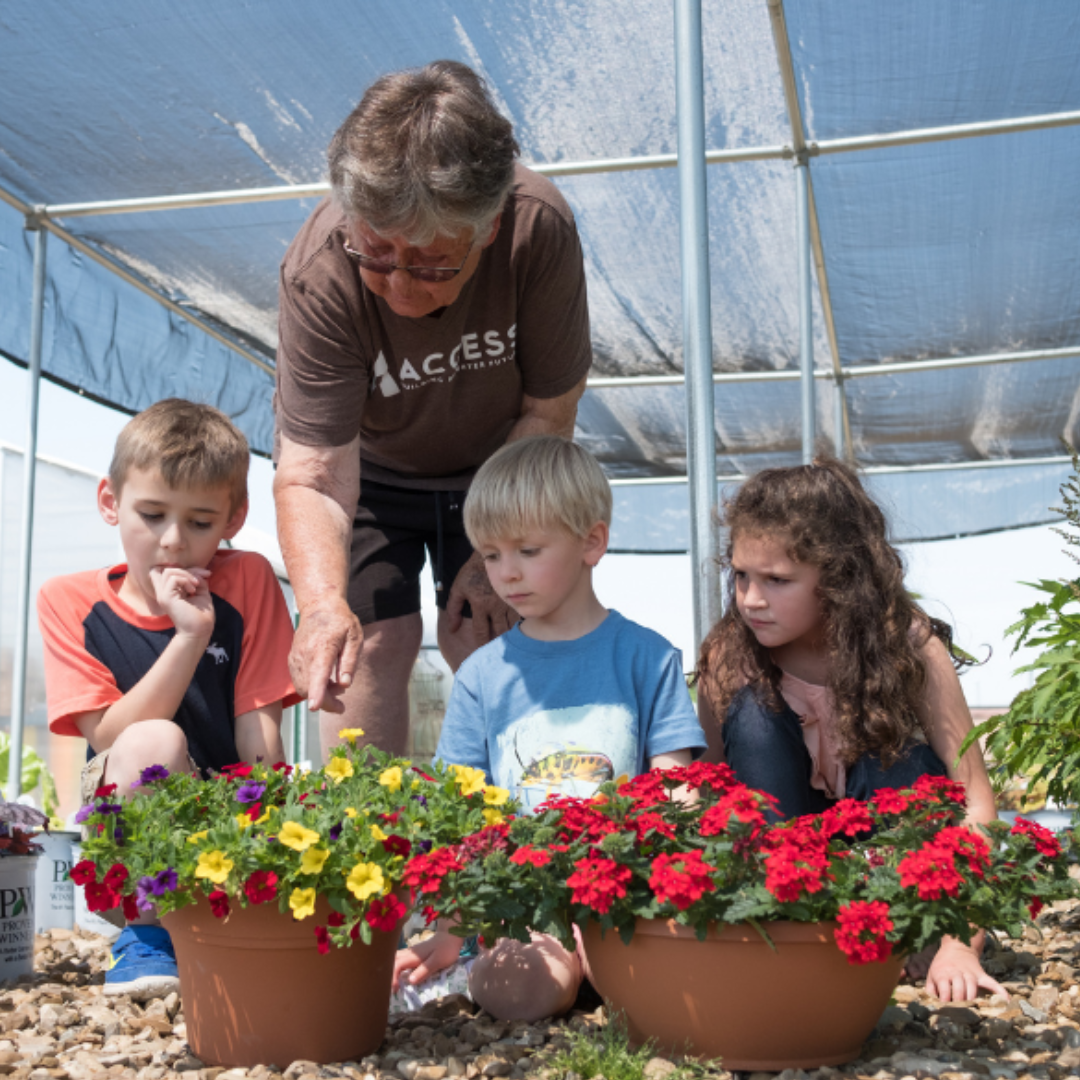
As the students go through this class, they will be able to explore on-site jobs such as working in the student store, gardening, cafeteria jobs, childcare, custodial services, and retail enterprises.  Students will be given opportunities to explore various classes in home economics, horticulture, childcare, ceramics, and retail.  These subjects will be offered to the students based on the student's needs, interests, and academic levels. Basic information related to types of jobs, skills needed to obtain that job,  and the process of applying for jobs will be taught. Coping with various job situations, resolving conflict on the job, the importance of teamwork, personal responsibility, and work ethic are also heavily emphasized.

Developing leisure interests is important.  Through project-based learning as well as structured time throughout the course of this class, students will begin to explore various leisure interests.  Community outings will be offered to expose students to different types of hobbies and activities.

Field trips and guest speakers will help students explore future work and living plans. Students will be given opportunities to gather information, explore different housing options, and investigate work programs they may be interested in pursuing.

Pragmatics, or the social use of language, is vital for this age group.  As these students begin their young adult life, they will be facing different and new challenges.  Therefore, teaching social skills is necessary to help the students learn how to appropriately interact in the work environment, in various social settings, and in the community. Thus, pragmatics is continually integrated into this classroom.

 As part of ACCESS Academy, students in the vocational class will also have art, P.E., music, and drama.  Extra curricular activities such as Teen Night, Special Olympics, and school dances are encouraged to promote leisure interests and socialization skills. 

designed & powered byFLEX360 - Little Rock, Arkansas Web Development Firm